
From February 24–27, 2026, the fourth Training School (TS4) of the PROVIDE Network convened in Barcelona, Spain. Over four intensive days, doctoral candidates (DCs), principal investigators (PIs), and project managers gathered to exchange scientific insights, refine research strategies, and strengthen the collaborative foundations of the network.
Day 1: Research Updates and Big Data in Genetics
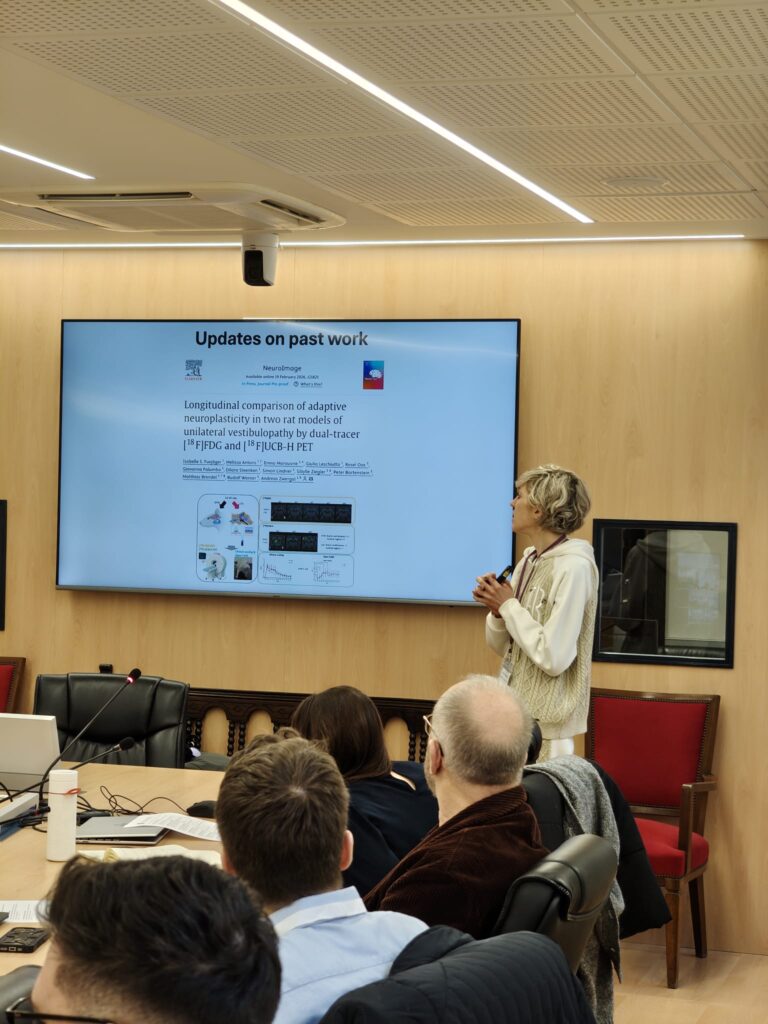
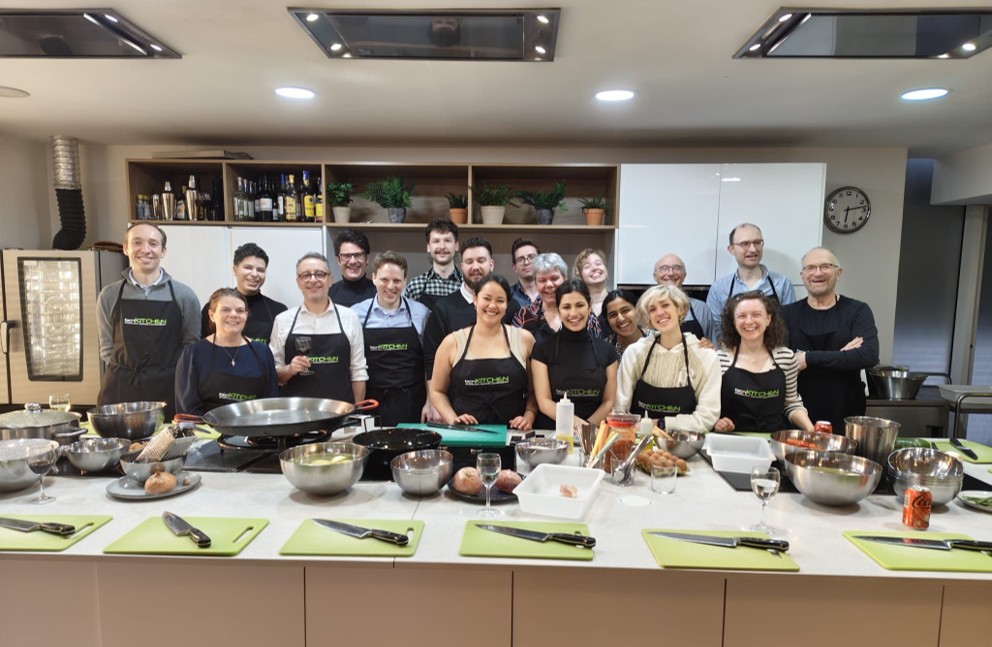
TS4 opened with research progress presentations by the DCs (10 minutes plus a discussion), offering an overview of the network’s scientific trajectory. A scientific lecture by Dr. Ilja Nolte from University Medical Center Groningen introduced the network to big data approaches in genetic epidemiology, an increasingly critical domain for understanding complex medical issues like vestibular disorders. The afternoon was devoted to extended supervisory team meetings, allowing in-depth discussion of experimental design, secondment planning, and long-term strategy. The day concluded with a collaborative cooking workshop centered on Spanish cuisine, an informal yet effective team-building exercise that culminated in a consortium dinner prepared by the participants themselves.
Day 2: From the Development of the Vestibular System to Global Clinical Practice
The second day featured four scientific lectures spanning basic science to clinical translation.
Two members of the External Advisory Board joined virtually:
- Dr. Anita Bhandari, director of NeuroEquilibrium, presented a global perspective on vestibular care delivery.
- Dr. Ruth Anne Eatock from University of Chicago discussed the fundamental mechanisms of vestibular sensory transduction.
From within the PROVIDE network, two of our local members presented in person:
- Prof. Dr. Berta Alsina of Universitat Pompeu Fabra introduced the developmental biology of the vestibular system.
- Prof. Dr. Jordi Llorens from University of Barcelona described molecular and cellular pathology in vestibular disorders, highlighting translational tools that bridge molecular changes to behavioral phenotypes in non-human models.
As usual, all lectures were recorded and will be made openly accessible through the PROVIDE Learning Hub, reinforcing the network’s commitment to open science.
During the Supervisory Board meeting, the management team provided updates on finances, governance, reporting obligations, research compliance, open science, and data management.
Day 3: Scientific Writing & Lab Tour
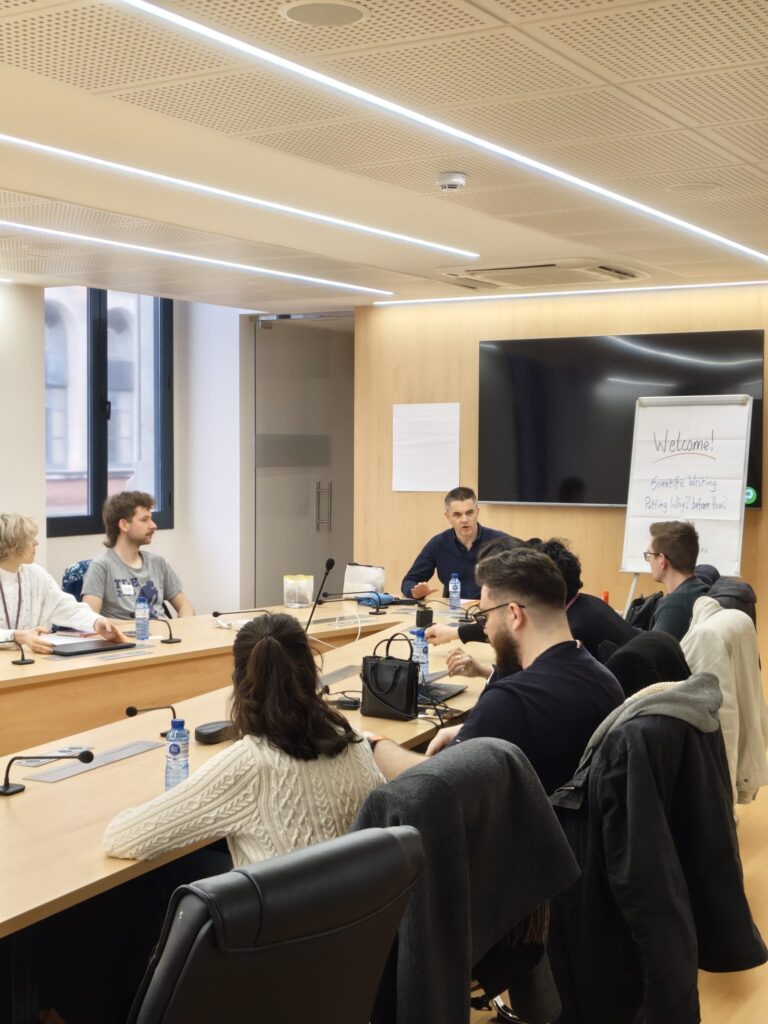
The third day began with an interactive workshop on scientific writing led by Dr. Gavin Lucas (TPM Science). The session emphasized argument construction, manuscript structure, and strategies for navigating the scientific publishing landscape, all essential competencies for early-stage researchers.
In the afternoon, participants toured laboratory facilities at the Pomeu Fabra University, including the fish facility, gaining insights into experimental models and infrastructure that support vestibular research.
Day 4: Empowerment and PhD Management
The final day began with a visit to the microscopy facilities of the medical faculty at the University of Barcelona, exposing DCs to advanced imaging technologies central to biomedical research.
Dr. Miriam Bayés then led a transferable skills workshop on managing non-scientific aspects of a PhD. The session focused on recognizing and addressing imposter syndrome while equipping participants with practical strategies for professional empowerment. By normalizing common psychological challenges in academia, the workshop reinforced resilience and self-efficacy.
The program concluded with dedicated time for administrative responsibilities, including contributions to the periodic report and progress on research data management tasks, an acknowledgment that responsible science extends beyond experimentation.
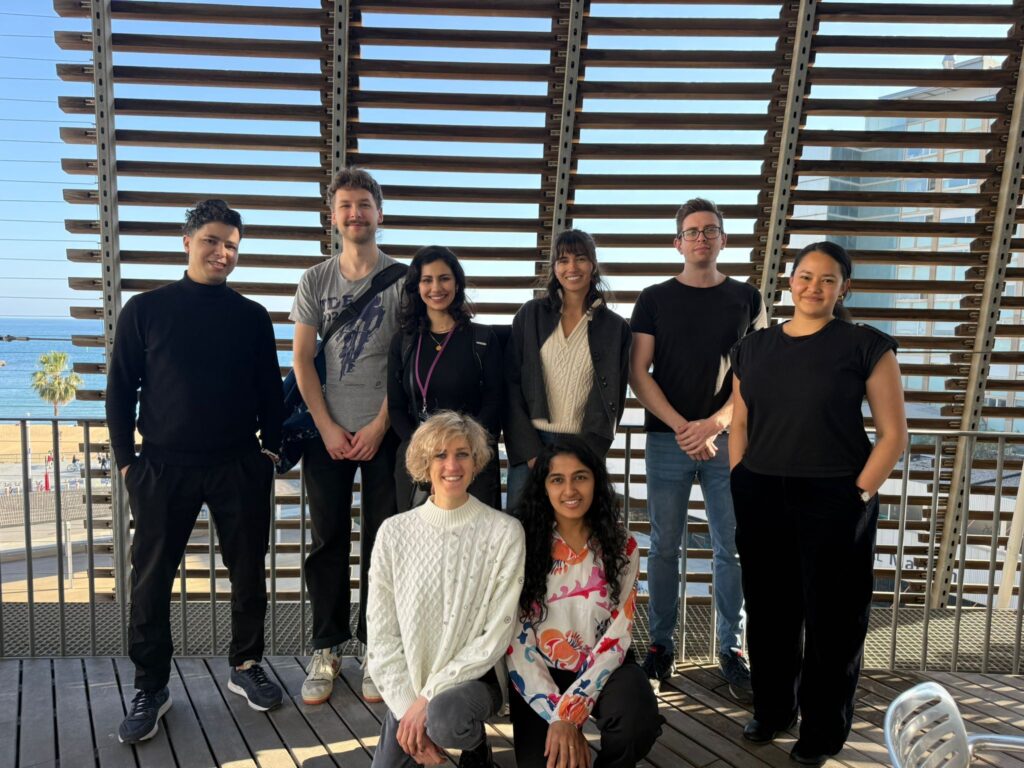
As PROVIDE progresses toward its next milestones, the outcomes of TS4 highlight the value of such training environments in shaping the next generation of vestibular researchers.